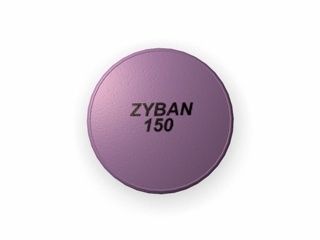
Zyban
Zyban — Description will be added later. Active ingredient: .
Select Dosage
Medication Guide
Ready to Quit Smoking for Good? Discover How Zyban to stop smoking Can Make It Happen!
The Persistent Challenge of Smoking Cessation
For millions worldwide, the desire to quit smoking is a powerful, recurring thought. The health risks associated with smoking are well-documented and dire, ranging from cardiovascular diseases and various cancers to respiratory illnesses and a diminished quality of life. Yet, despite this profound understanding, breaking free from nicotine addiction remains an incredibly difficult journey for many. The physical dependence on nicotine, coupled with the deeply ingrained behavioral habits and psychological associations, creates a formidable barrier. Smokers often find themselves trapped in a cycle of cravings, withdrawal symptoms, and relapse, leading to frustration and a sense of hopelessness. This struggle is not a reflection of a lack of willpower but rather the potent nature of nicotine addiction. Many have tried numerous methods, from nicotine replacement therapies like patches and gum to cold turkey approaches, only to find themselves returning to cigarettes. The constant battle with cravings can be exhausting, impacting mood, concentration, and overall well-being. Understanding the multifaceted nature of this addiction is the first step towards finding effective solutions.
The cycle of smoking often begins in adolescence or early adulthood, and over time, the body becomes accustomed to the regular intake of nicotine. When a smoker attempts to quit, the sudden absence of nicotine triggers a cascade of unpleasant withdrawal symptoms. These can include irritability, anxiety, difficulty concentrating, increased appetite, insomnia, and intense cravings. These symptoms can be so severe that they overshadow the immediate benefits of quitting, making the process feel unbearable. Furthermore, smoking is often intertwined with daily routines and social activities. A cigarette might be associated with a morning coffee, a break at work, or a social gathering. These learned behaviors and psychological triggers can be just as powerful as the physical addiction, making it challenging to navigate life without reaching for a cigarette. The fear of experiencing these withdrawal symptoms and the difficulty of breaking established habits are significant deterrents for many who contemplate quitting. The journey to becoming smoke-free requires more than just a decision; it necessitates a comprehensive strategy that addresses both the physical and psychological aspects of addiction.
Considering the complexities, it's crucial to explore all available avenues to support a successful quit attempt. Many individuals find that without external aid, the odds of long-term success are significantly lower. This is where effective pharmacological interventions play a vital role. These medications are designed to alleviate the most challenging aspects of quitting, making the transition smoother and more manageable. When exploring options for smoking cessation, it's beneficial to understand that different approaches work for different individuals. Some may find success with gradual nicotine replacement, while others benefit from medications that alter brain chemistry to reduce cravings and withdrawal. Understanding your own triggers and the historical challenges you've faced in previous quit attempts can help guide you towards the most appropriate support system. The vast majority of smokers want to quit, and the availability of effective treatments has empowered many to finally achieve their goal. It’s about finding the right tool for your specific needs.
How Zyban Empowers Your Quit Journey
Zyban, with its active ingredient bupropion, offers a unique and highly effective approach to smoking cessation. Unlike nicotine replacement therapies that directly provide nicotine to the body, bupropion works by affecting certain neurotransmitters in the brain, primarily norepinephrine and dopamine. These neurotransmitters are involved in regulating mood, pleasure, and motivation, and they are also implicated in nicotine addiction. By influencing these chemical pathways, Zyban helps to reduce the intensity of nicotine cravings and alleviate the unpleasant withdrawal symptoms that often derail quit attempts. This dual action makes it a powerful ally for individuals struggling to break free from cigarettes. The medication doesn't aim to replace nicotine but rather to help the brain adjust to its absence, thereby diminishing the urge to smoke and making the transition to a smoke-free life more achievable and less daunting.
The mechanism of action for bupropion is quite sophisticated. It is classified as an atypical antidepressant, but its efficacy in smoking cessation is well-established. It is believed to work by blocking the reuptake of dopamine and norepinephrine, leading to increased levels of these neurotransmitters in the synaptic cleft. This increase can help to counteract the effects of nicotine withdrawal, which often involves a dip in these same neurotransmitters, leading to low mood and increased cravings. By stabilizing these neurotransmitter levels, Zyban can help to reduce the feeling of anhedonia (lack of pleasure) that some individuals experience when quitting smoking, and it also directly targets the craving signals that are so difficult to overcome. This targeted approach addresses the underlying neurochemical changes that occur with nicotine addiction, offering a more comprehensive solution than simply masking withdrawal symptoms.
Furthermore, bupropion's effect on dopamine levels is particularly significant. Dopamine is a key component of the brain's reward system, and nicotine hijacks this system, leading to the intense pleasure and reinforcement associated with smoking. When nicotine is removed, the reward pathway is disrupted, contributing to cravings and mood disturbances. By moderating dopamine activity, Zyban can help to restore a more balanced reward system, reducing the perceived need for nicotine to feel pleasure or normal. This can lead to a more sustained and positive quit experience, allowing individuals to focus on breaking the behavioral habits associated with smoking rather than constantly battling overwhelming urges. This multifaceted approach is what sets Zyban apart and makes it a compelling option for those seeking a reliable method to quit smoking.
Key Benefits of Choosing Zyban for Quitting
One of the most significant benefits of using Zyban is its ability to reduce cravings. The intense desire to smoke is often the primary reason for relapse. By mitigating these cravings, Zyban allows individuals to navigate situations that previously would have triggered a cigarette with greater ease. This reduction in craving intensity can make the quitting process feel more manageable, empowering individuals to stick with their decision. The mental battle with cravings is a major hurdle, and anything that can lessen this struggle is invaluable. Many users report a noticeable decrease in the frequency and strength of their urges shortly after starting treatment, which can significantly boost confidence and motivation to continue on their smoke-free path.
Beyond reducing cravings, Zyban also plays a crucial role in alleviating withdrawal symptoms. Symptoms like irritability, anxiety, and difficulty concentrating can make quitting feel like an insurmountable task. Bupropion's action on neurotransmitters helps to stabilize mood and improve focus, making the transition period smoother and more comfortable. This means that the unpleasant side effects of nicotine cessation are less likely to overwhelm the individual, preventing them from seeking solace in a cigarette. This improved mood and mental clarity allow individuals to better cope with the emotional and psychological challenges of quitting, fostering a more positive overall experience. For those who have experienced severe withdrawal in the past, this aspect of Zyban can be a game-changer.
Another considerable advantage of Zyban is that it is not a nicotine replacement therapy. This means it doesn't introduce nicotine into the body, which is preferable for some individuals who wish to completely remove nicotine from their system. This approach addresses the addiction at a neurochemical level without the need for ongoing nicotine administration. For individuals who find the taste or constant use of nicotine patches or gum unappealing, Zyban offers a discreet and effective alternative. This independence from nicotine products allows for a cleaner break from the addiction, focusing solely on retraining the brain's response to the absence of the drug. Many users appreciate this distinction, feeling it offers a more genuine path to becoming completely nicotine-free.
Zyban can also contribute to an improved sense of well-being and mood during the quitting process. Nicotine withdrawal is often accompanied by feelings of depression and low mood. By affecting neurotransmitters like dopamine and norepinephrine, bupropion can help to counteract these effects, promoting a more stable and positive emotional state. This can make the entire quitting experience less emotionally taxing and more sustainable. When individuals feel better emotionally, they are more likely to maintain their resolve and celebrate their progress. This uplift in mood can be a powerful motivator, helping to reinforce the positive decision to quit and focus on the long-term health benefits rather than the immediate discomfort of withdrawal. Many users report feeling more optimistic and less susceptible to the blues when using Zyban as part of their quit plan.
Finally, the convenience of a once or twice-daily pill makes Zyban easy to incorporate into one's daily routine. Unlike nicotine replacement therapies that may require frequent application or consumption, Zyban offers a straightforward dosing schedule. This simplicity can be a significant factor for individuals who lead busy lives and may forget or find it inconvenient to administer other forms of cessation aids. The ease of use ensures that the medication is taken consistently, which is crucial for its effectiveness. This unobtrusive nature of treatment allows individuals to focus on the behavioral and psychological aspects of quitting without the added burden of managing complex medication schedules. The consistent intake of Zyban helps to maintain therapeutic levels in the body, providing continuous support throughout the day. If you're wondering how to quit smoking with medication, the ease of use of Zyban is a significant factor to consider.
Safety Profile and Potential Side Effects of Zyban
When considering any medication, understanding its safety profile is paramount. Zyban, like all prescription medications, has a well-established safety record when used as directed by a healthcare professional. The active ingredient, bupropion, has been used for many years, and its side effects are generally well-tolerated by most individuals. However, it is crucial to be aware of potential side effects and to discuss your medical history with your doctor to ensure Zyban is the right choice for you. Common side effects are typically mild and often diminish as your body adjusts to the medication. These can include dry mouth, insomnia, headache, nausea, and dizziness. It is important to note that many users find these side effects to be manageable and significantly less problematic than the symptoms of nicotine withdrawal.
While generally safe, Zyban is not suitable for everyone. It is essential to inform your doctor about any pre-existing medical conditions, especially seizure disorders, as bupropion can lower the seizure threshold. Additionally, individuals with a history of eating disorders such as anorexia or bulimia nervosa should not take Zyban, as it has been associated with an increased risk of seizures in these populations. Your doctor will conduct a thorough assessment to determine if Zyban is appropriate for your individual health needs. Open and honest communication with your healthcare provider is key to a safe and effective treatment plan. It is also important to discuss any other medications you are taking, as bupropion can interact with certain drugs, including MAO inhibitors, which require a specific washout period before starting bupropion.
Serious side effects, although rare, can occur. These may include allergic reactions (rash, itching, swelling), changes in mood or behavior (agitation, depression, suicidal thoughts), and increased blood pressure. If you experience any of these severe symptoms, it is imperative to seek immediate medical attention. Your doctor will monitor you closely, especially during the initial stages of treatment, to detect any adverse reactions promptly. The risk of serious side effects is significantly reduced when the medication is taken under medical supervision and according to the prescribed dosage and instructions. Many people find that the benefits of quitting smoking, including the vast improvements in health and well-being, far outweigh the potential risks associated with Zyban. This is why consulting with a healthcare professional is the first step in addressing how to quit smoking safely.
It's also worth noting that when comparing smoking cessation aids, understanding the side effect profiles of similar medications is beneficial. For instance, varenicline, available under brand names like Champix, works differently by acting on nicotine receptors in the brain. While effective for many, it can also have its own set of potential side effects, including nausea, sleep disturbances, and in some cases, mood changes. Zyban, by contrast, targets neurotransmitter reuptake pathways. Both are effective tools, but their mechanisms and side effect profiles differ, making a personalized approach to treatment essential. Your doctor can help you weigh the pros and cons of each option, including Zyban, Varenicline, and other available treatments, to find the best fit for your health and lifestyle. Understanding the nuances of each medication ensures informed decision-making.
Real Experiences: Reviews and Social Proof
The experiences of others who have successfully used Zyban can be incredibly motivating and informative. Countless individuals have shared their stories of overcoming nicotine addiction with the help of this medication. Many describe a profound reduction in their urge to smoke, making the process much less arduous than previous attempts. For example, Sarah, a former smoker of 20 years, shared, "I had tried everything – patches, gum, even hypnosis – but nothing worked. With Zyban, the cravings just weren't as intense. I was able to focus on breaking the habit, and before I knew it, I was a non-smoker. It honestly felt like a miracle." These testimonials highlight the tangible impact Zyban can have on an individual's ability to quit.
Another common theme in user reviews is the improved mood and reduced anxiety experienced while using Zyban. Mark, who quit a decade ago, stated, "I was always so worried about feeling depressed and irritable when I quit. Zyban really helped to keep my mood stable. I didn't feel like a different person, just a healthier version of myself. It made the whole experience so much more positive and sustainable." This sentiment is echoed by many who find that the medication helps them navigate the emotional rollercoaster of quitting with greater resilience. The ability to maintain a relatively stable mood is often cited as a key factor in their long-term success, contrasting with the severe mood swings often associated with unassisted quitting or less targeted therapies.
Many users also emphasize the support and guidance they received from their healthcare providers when using Zyban. "My doctor was fantastic," says Emily. "They explained how Zyban works, what to expect, and answered all my questions. Having that professional support made me feel confident I was making the right choice. It wasn't just about the pill; it was about a comprehensive plan." This highlights the importance of medical supervision and the role it plays in maximizing the effectiveness and safety of the medication. The personalized advice and monitoring provided by a doctor are invaluable, ensuring that the treatment plan is tailored to the individual's needs and that any concerns are addressed promptly. This integrated approach fosters a sense of partnership in the quitting journey.
It's also valuable to note how Zyban compares in user sentiment to other popular quitting aids. While some users report significant success with Varenicline or Champix, others find that Zyban offers a more suitable profile for their needs, particularly those who are sensitive to nausea or prefer a medication with a different mechanism of action. Online forums and discussion boards dedicated to smoking cessation often feature comparisons, with many users finding that Zyban provided the relief from cravings and withdrawal they needed, often with fewer bothersome side effects than other options they had tried. This diverse range of experiences underscores that there isn't a one-size-fits-all solution, but Zyban has consistently proven its effectiveness for a large segment of the quitting population. The question "what is the best medication to quit smoking" often leads to discussions where Zyban is a prominent and highly recommended option.
Dosage and How to Use Zyban
The typical starting dosage for Zyban is 150mg once daily for the first three days. After this initial period, the dosage is usually increased to 150mg twice daily, with doses typically taken at least six hours apart. It is crucial to follow your doctor's prescribed dosage and schedule precisely. Do not take more than the recommended dose, and do not take it more often than prescribed. Taking Zyban at bedtime is generally not recommended, as it can cause insomnia for some individuals. It's often advised to take the medication in the morning and, if a second dose is prescribed, in the late afternoon or early evening to minimize sleep disruption. Always consult your healthcare provider for personalized dosage instructions.
For individuals asking how long to take Zyban to quit smoking, treatment typically lasts for about 7 to 12 weeks. The decision on the duration of treatment will be made by your healthcare provider based on your individual progress and needs. It is important to start taking Zyban one to two weeks before your planned quit date. This allows the medication to build up in your system and begin its work in reducing cravings and withdrawal symptoms. Your doctor will guide you on the optimal timing for your quit date and the duration of your treatment course. Consistent adherence to the prescribed regimen is key to achieving the best possible outcomes.
Swallowing the tablets whole is important; they should not be crushed, chewed, or divided, as this can alter the release of the medication. If you miss a dose of Zyban, take it as soon as you remember, unless it is almost time for your next dose. In that case, skip the missed dose and continue with your regular dosing schedule. Do not take a double dose to make up for a missed one. If you have any questions or concerns about your dosage or how to take Zyban, do not hesitate to contact your doctor or pharmacist. Understanding the correct usage is a critical component of a successful and safe quitting experience. Many people search for "Zyban dosage for smoking" to ensure they are using it correctly, and understanding the standard regimen is a crucial first step.
Price, Affordability, and Where to Buy Zyban
The cost of Zyban can vary depending on several factors, including your insurance coverage, the pharmacy you choose, and whether you opt for the brand-name medication or a generic version. Bupropion is the active ingredient, and generic formulations are widely available, which can significantly reduce the overall cost. Many insurance plans cover prescription smoking cessation aids, including Zyban, as part of their preventive care benefits. It is highly recommended to check with your insurance provider to understand your specific coverage details, including co-pays and deductibles. This will give you a clearer picture of your out-of-pocket expenses.
If you are looking for the most affordable way to purchase Zyban, exploring options such as generic bupropion is often the most effective strategy. Generic medications are manufactured to meet the same safety, efficacy, and quality standards as their brand-name counterparts but are typically sold at a lower price. You can inquire about generic options at your local pharmacy. Additionally, some pharmacies offer discount programs or prescription savings cards that can further reduce the cost of your medication. Comparing prices across different pharmacies in your area can also lead to savings.
To purchase Zyban, you will need a prescription from a qualified healthcare professional. Your doctor will assess your suitability for the medication and provide you with a prescription. You can then fill this prescription at most reputable pharmacies. For those seeking to buy medication online, it is crucial to do so only from licensed and regulated online pharmacies. These pharmacies will require a valid prescription and will adhere to strict safety and quality standards. Be wary of websites that sell prescription medications without a prescription, as these may be selling counterfeit or unsafe products. Always prioritize your health and safety by obtaining your medication from legitimate sources. If you are asking where to buy Zyban online, ensure it is a verified and licensed online pharmacy that requires a prescription. This is a critical step for safe purchasing.
Frequently Asked Questions About Zyban
Q1: How effective is Zyban for quitting smoking?
A1: Zyban is a highly effective medication for smoking cessation. Clinical studies have shown that it can significantly increase the chances of successfully quitting smoking compared to placebo. Its effectiveness stems from its ability to reduce cravings and withdrawal symptoms, making the quitting process more manageable. Many individuals find that it helps them overcome the psychological and physical dependence on nicotine, leading to long-term abstinence. When used as part of a comprehensive cessation program, including counseling or support groups, its effectiveness can be further enhanced. It is considered one of the leading pharmacological interventions for smoking cessation.
Q2: Can I drink alcohol while taking Zyban?
A2: While there is no strict prohibition against moderate alcohol consumption, it is advisable to be cautious. Alcohol can sometimes lower the seizure threshold, and since bupropion also carries this risk, combining them might increase it, although this is rare. Some individuals may also find that alcohol can trigger cravings for cigarettes. It is best to discuss your alcohol consumption habits with your doctor. They can provide personalized advice based on your overall health and the specifics of your treatment plan. Generally, reducing or eliminating alcohol during the initial stages of quitting can be beneficial for maximizing your chances of success.
Q3: How long does it take for Zyban to start working?
A3: You should start taking Zyban one to two weeks before your target quit date. This lead-in period allows the medication to reach therapeutic levels in your bloodstream and begin its effects on reducing cravings and withdrawal symptoms. While some individuals may notice a reduction in cravings within the first week, the full benefits are typically experienced as treatment progresses. It is important to be patient and consistent with your dosing to allow the medication to work optimally. Your doctor will help you establish the right timeline for your quit attempt. This makes it crucial to begin the conversation about Zyban for quitting well in advance of your desired quit date.
Q4: What if I experience side effects?
A4: If you experience any side effects while taking Zyban, it is important to report them to your doctor immediately. Mild side effects like dry mouth, insomnia, or headache are often manageable and may subside as your body adjusts. However, if you experience severe side effects such as allergic reactions, significant mood changes, or seizures, seek emergency medical attention. Your doctor can help determine if the side effects are related to the medication and adjust your dosage or treatment plan accordingly. Do not stop taking Zyban abruptly without consulting your doctor, as this can lead to withdrawal symptoms or a return of cravings.
Conclusion: Your Smoke-Free Future Starts Now
The journey to quitting smoking is a significant undertaking, but with the right support, it is entirely achievable. Zyban, with its active ingredient bupropion, offers a powerful and scientifically-backed solution to help you overcome nicotine addiction. By effectively reducing cravings and alleviating withdrawal symptoms, Zyban empowers you to break free from the grip of cigarettes, improve your health, and reclaim your life. Its ability to stabilize mood and reduce the psychological discomfort associated with quitting makes it a preferred choice for many. Don't let the challenges of quitting hold you back any longer. Consult your healthcare provider today to discuss if Zyban is the right option for you. Your smoke-free future is within reach – take the first step towards a healthier, happier you!
Take control of your health and well-being. Visit your doctor to discuss Zyban and start your journey to a smoke-free life today. Your lungs, your heart, and your loved ones will thank you.

