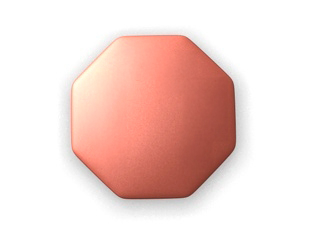
Finasteride
Finasteride is an online pharmacy offering convenient access to hair loss treatment. Available in a 1mg dosage, it addresses hair thinning concerns. Our minimalist approach ensures a straightforward and efficient shopping experience. Focus on your well-being with trusted medication options.
Select Dosage
| Package | Per Pill | Total Price | Order |
|---|---|---|---|
|
10 Pills
save: €7.40
|
$ 3.70 | $ 44.39 $ 36.99 | Add |
|
30 Pills
save: €8.20
|
$ 1.37 | $ 49.19 $ 40.99 | Add |
|
60 Pills
save: €11.00
|
$ 0.92 | $ 65.99 $ 54.99 | Add |
|
90 Pills
save: €15.00
|
$ 0.83 | $ 89.99 $ 74.99 | Add |
|
120 Pills
save: €17.60
|
$ 0.73 | $ 105.59 $ 87.99 | Add |
|
180 Pills
save: €23.00
|
$ 0.64 | $ 137.99 $ 114.99 | Add |
|
240 Pills
save: €26.40
|
$ 0.55 | $ 158.39 $ 131.99 | Add |
|
360 Pills
save: €33.20
|
$ 0.46 | $ 199.19 $ 165.99 | Add |
Medication Guide
Regain Your Confidence: Discover the Power of Finasteride for Hair Loss
Are you tired of noticing more hair in your brush or shower drain than on your head? The relentless march of hair loss can significantly impact self-esteem and overall well-being. If you're searching for a scientifically proven solution to combat thinning hair and stimulate regrowth, look no further than Finasteride. This groundbreaking medication has empowered countless individuals to reclaim their youthful appearance and the confidence that comes with it. This comprehensive guide will delve into everything you need to know about Finasteride, its mechanism of action, benefits, safety, and how you can access this life-changing treatment.
Understanding the Problem: The Pervasive Nature of Hair Loss
Hair loss, medically known as alopecia, is a common concern affecting millions worldwide, predominantly men but also women. The most frequent cause, particularly in men, is androgenetic alopecia, often referred to as male-pattern baldness. This condition is genetically predisposed and is characterized by a progressive thinning of hair, typically starting with a receding hairline and thinning at the crown. For many, the onset of hair loss can begin in their late twenties or early thirties, leading to distress and a desire to find effective treatments. The psychological impact of hair loss cannot be overstated; it can lead to decreased self-confidence, social anxiety, and even depression. Many individuals wonder, how to stop hair loss and explore various remedies, some of which lack scientific backing. It's crucial to understand the underlying causes of hair loss to effectively address it.
The primary culprit behind androgenetic alopecia is a hormone called dihydrotestosterone (DHT). DHT is a more potent form of testosterone that is converted in the body by an enzyme called 5-alpha reductase. In genetically susceptible individuals, DHT binds to hair follicles in the scalp, causing them to shrink over time. This miniaturization process leads to shorter, finer hairs, and eventually, the follicles cease to produce hair altogether. Understanding this hormonal influence is key to appreciating how medications like Finasteride work. While the term hair loss treatment is broad, identifying the specific type of hair loss is the first step towards finding the right solution. Many are also curious about best hair loss medication for men, and Finasteride consistently emerges as a leading contender.
Beyond genetics, other factors can contribute to hair thinning, including stress, nutritional deficiencies, certain medical conditions, and medications. However, for those experiencing the classic pattern of androgenetic alopecia, targeting DHT is often the most effective strategy. The frustration of seeing your hair thin can lead to extensive research, with many asking, will finasteride regrow hair. The answer is a resounding yes for many individuals, offering a tangible path towards restoring hair density and thickness. The search for a solution often involves comparing different options, and questions like finasteride vs rogaine are common as individuals seek to understand the differences and find the most suitable approach for their needs.
How Finasteride Works: Targeting the Root Cause
Finasteride operates through a precise and well-understood mechanism of action designed to combat androgenetic alopecia at its source. Its active ingredient, finasteride, is a potent inhibitor of the enzyme 5-alpha reductase. This enzyme exists in two forms, type II and type III, and Finasteride primarily targets type II, which is predominantly found in hair follicles and the prostate gland. By inhibiting this enzyme, Finasteride effectively blocks the conversion of testosterone into DHT. This reduction in DHT levels in the scalp is the key to its efficacy in treating hair loss.
When DHT levels are lowered, the miniaturization process of hair follicles is halted, and in many cases, reversed. The hair follicles, no longer under siege from DHT, can begin to produce thicker, healthier hair. This means that existing hair becomes stronger and less prone to falling out, and new hair growth can be stimulated. This targeted approach makes Finasteride a highly effective treatment for androgenetic alopecia, addressing the hormonal imbalance that drives the condition. Many individuals wonder, how long does finasteride take to work, and it's important to understand that this is a gradual process, with visible results typically appearing after several months of consistent use.
It is important to distinguish Finasteride, which is primarily prescribed for male-pattern baldness at lower dosages, from its higher-dosage counterpart, Proscar, which is used to treat benign prostatic hyperplasia (BPH). While both contain finasteride, the dosage and intended use differ. The medical community widely recognizes Finasteride's role in hair restoration. For those considering their options, the question is finasteride safe for long term use is frequently asked, and extensive studies have demonstrated its safety profile when used as prescribed. Understanding this mechanism is crucial for appreciating why Finasteride is a preferred choice for many seeking to combat hair thinning.
The scientific validation behind Finasteride's action is robust. Clinical trials have consistently shown that Finasteride can slow hair loss, increase hair count, and improve the overall thickness and appearance of hair in men experiencing androgenetic alopecia. This evidence-based approach provides reassurance to individuals seeking a reliable solution. Some may also be interested in comparing it to other treatments, leading to queries like finasteride vs dutasteride, as they explore the landscape of available options and their respective mechanisms. The specific dosage and prescribed use are critical for optimal results and safety.
The Unmistakable Benefits of Finasteride
The advantages of incorporating Finasteride into a hair loss treatment regimen are multifaceted and profound, extending beyond mere hair regrowth to encompass enhanced self-perception and a renewed sense of vitality. One of the most significant benefits is the ability to **stop or slow hair loss**. For many, the primary goal is to halt the progression of thinning, and Finasteride excels at this, preventing further miniaturization of hair follicles and preserving the hair they currently have. This proactive approach is often the first step towards a more robust and fuller head of hair.
Beyond simply stopping hair loss, Finasteride actively promotes **hair regrowth**. Clinical studies have demonstrated that a significant percentage of men using Finasteride experience a noticeable increase in hair count, particularly on the crown and at the hairline. This regrowth often results in thicker, denser hair, restoring a more youthful and vigorous appearance. The satisfaction derived from seeing new hair emerge is a powerful motivator for continued treatment. Many individuals wonder, can finasteride reverse hair loss, and the answer is yes, to a significant degree, for many users.
The psychological impact of regaining hair is substantial. Users often report a significant boost in their **confidence and self-esteem**. When you feel better about your appearance, it permeates all aspects of your life, from social interactions to professional endeavors. The ability to look in the mirror and see a fuller head of hair can be transformative, alleviating the self-consciousness that often accompanies hair loss. This improvement in psychological well-being is as important as the physical change itself. The question, is finasteride effective for receding hairline, is a common one, and the answer is generally yes, particularly when treatment begins early.
Furthermore, Finasteride offers a **convenient and low-maintenance** treatment option. Unlike topical treatments that require daily application or complex regimens, Finasteride is taken as a single oral tablet once a day. This simplicity makes it easy to incorporate into any daily routine, ensuring consistent adherence and maximizing the chances of achieving desired results. The ease of use contributes to its popularity as a long-term solution. For those seeking a more established treatment, they might compare it to other options like Rogaine, but Finasteride's oral administration offers a distinct advantage in convenience.
Finally, Finasteride has a **well-established safety profile** supported by extensive research and years of clinical use. When used as directed by a healthcare professional, the benefits often outweigh the potential risks for most individuals. This established safety record provides peace of mind for those considering long-term treatment. The question, finasteride side effects, is naturally a concern, but understanding the likelihood and nature of these effects is crucial for informed decision-making.
Safety and Side Effects: An Informed Approach
When considering any medication, understanding its safety profile and potential side effects is paramount. Finasteride has been extensively studied and used for many years, and its safety is generally well-established, especially when prescribed and monitored by a healthcare professional. The most common dosage for hair loss is 1mg, and at this strength, the incidence of side effects is relatively low. However, like all medications, it is not without potential adverse reactions, and it is crucial for users to be informed.
The most frequently reported side effects associated with Finasteride are sexual in nature. These can include a **decreased libido (sex drive)**, **erectile dysfunction (difficulty achieving or maintaining an erection)**, and **ejaculation disorders (such as a decreased amount of ejaculate)**. It is important to note that these side effects are not experienced by all users, and in many cases, they are mild and reversible upon discontinuation of the medication. For a small percentage of individuals, these effects may persist even after stopping Finasteride, a phenomenon sometimes referred to as Post-Finasteride Syndrome (PFS), although the exact prevalence and mechanisms of PFS are still subjects of ongoing research and debate within the medical community. Many ask, what are the side effects of finasteride, and this is a critical question for potential users.
Other less common side effects can include **breast tenderness or enlargement (gynecomastia)** and **allergic reactions**, such as rash, itching, or swelling. There have also been reports of mood changes, including depression, in some users. It is vital to discuss your complete medical history and any pre-existing conditions with your doctor before starting Finasteride, as this can help assess your individual risk factors. Your doctor can provide personalized advice regarding the potential for side effects and how to manage them should they occur. The question, can finasteride cause depression, is a serious one and highlights the importance of open communication with your healthcare provider.
It is important to remember that Finasteride is generally not recommended for women, particularly pregnant or potentially pregnant women, due to the risk of birth defects in male fetuses. While women may experience hair thinning from other causes, Finasteride's primary indication is for male-pattern baldness. For women experiencing hair loss, other treatments might be more appropriate, and consulting a dermatologist is essential. The search for finasteride for women often leads to confusion, as it's typically not prescribed for female-pattern hair loss.
Furthermore, individuals taking Finasteride should be aware of potential drug interactions. Always inform your doctor about all other medications, supplements, and herbal products you are taking. While Finasteride has a good safety record, proactive communication with your healthcare provider is the best way to ensure safe and effective treatment. The question, what happens if I stop taking finasteride, is also relevant; hair regrowth achieved with Finasteride is generally not permanent and will revert if the medication is stopped. This underscores the importance of long-term commitment to the treatment. Some individuals might consider alternatives like Finpecia, which also contains finasteride, but the core safety considerations remain consistent.
Real Experiences: Reviews and Social Proof
The true measure of a medication's effectiveness and impact often lies in the experiences of those who have used it. Over the years, Finasteride has garnered a significant amount of positive feedback from individuals who have successfully managed their hair loss and experienced a renewed sense of confidence. Many users share their journeys online, highlighting the transformative power of consistent treatment.
One common theme in user reviews is the initial skepticism followed by pleasant surprise. Many individuals are initially hesitant, wondering if a pill can truly make a difference in hair loss. However, after several months of consistent use, they report seeing a noticeable reduction in shedding and a visible increase in hair density. For instance, a user might share, "I was losing hair rapidly for years, and nothing seemed to work. After starting Finasteride, within six months, I saw my hairline start to fill in. I'm so much more confident now." This sentiment of regained confidence is a recurring and powerful testament to the medication's efficacy. Many are curious about finasteride before and after results, and these personal accounts often provide compelling visual evidence.
The ease of integration into daily life is another frequently praised aspect. Users often express relief that they don't need complex topical applications or procedures. "Taking one pill a day is so simple. It fits right into my morning routine, and I barely have to think about it," says another satisfied user. This convenience is a significant factor for individuals leading busy lives who want a straightforward solution. The question, is finasteride a prescription drug, is important to address here; yes, it is, and this ensures it is used under medical guidance.
While the majority of reviews are positive, it's also important to acknowledge that not everyone experiences the same results, and some individuals do report side effects. However, even in these cases, many users appreciate the transparency and support provided by their healthcare providers in managing these effects. The fact that discussions around potential side effects are openly shared in online forums and reviews demonstrates a community of users seeking and providing information. This transparency helps manage expectations and encourages informed decision-making. The search for finasteride success stories often leads to these authentic testimonials.
The sustained nature of the results is also a key takeaway. Users consistently emphasize that once they achieve their desired hair density, continued use of Finasteride helps maintain those results. This highlights the importance of understanding that Finasteride is typically a long-term treatment for managing androgenetic alopecia, rather than a short-term cure. Comparing it to other options, some users might mention alternatives like Proscar (though at a different dosage for BPH) or even Avodart, but often return to Finasteride for its proven track record in hair restoration. These real-life accounts offer invaluable insights for anyone considering Finasteride.
Dosage and How to Use Finasteride
Understanding the correct dosage and usage of Finasteride is crucial for maximizing its effectiveness and ensuring safety. The typical dosage prescribed for the treatment of male-pattern hair loss is 1mg of Finasteride taken orally once a day. This specific dosage is designed to effectively inhibit 5-alpha reductase in the scalp without causing the same level of prostatic shrinkage seen with higher doses used for benign prostatic hyperplasia.
Finasteride can be taken with or without food. The most important aspect is consistency. Taking the medication at the same time each day helps maintain a steady level of the active ingredient in your system, which is essential for its continuous effect on DHT levels. Many users find it convenient to incorporate it into their morning or evening routine, such as after brushing their teeth or before bed. The question, how to take finasteride, is straightforward: one pill, once daily.
It is important to understand that Finasteride is not an immediate solution. Visible results typically take time to manifest. Most individuals begin to notice a reduction in hair shedding within the first few months of treatment. However, significant improvements in hair density and thickness usually become apparent after 3-6 months of consistent daily use. Some users may continue to see further improvements for up to a year or even longer. This gradual process requires patience and adherence to the prescribed regimen. The question, how long to see finasteride results, emphasizes the need for patience.
For those considering Finasteride, it is imperative to obtain a prescription from a qualified healthcare professional. They will assess your suitability for the medication, discuss potential benefits and risks, and provide personalized dosage instructions. Self-medicating or using Finasteride without medical supervision is strongly discouraged. Your doctor will also monitor your progress and address any concerns that may arise during treatment. The fact that it is a prescription medication underscores its therapeutic nature and the need for medical guidance. Some may also ask about finasteride dosage for hair loss, and the 1mg daily dose is the standard for this indication.
Should you miss a dose, it is generally recommended to take it as soon as you remember. However, if it is close to the time of your next scheduled dose, skip the missed dose and continue with your regular dosing schedule. Do not double up on doses to compensate for a missed one. If you have any doubts or concerns about your dosage or missed doses, consult your healthcare provider. The question, what if I miss a finasteride dose, is a common one that highlights the need for clear instructions.
It's also important to be aware that the benefits of Finasteride are generally sustained as long as the medication is taken. If you stop taking Finasteride, the DHT levels will gradually return to their previous levels, and the hair loss process will likely resume. Therefore, for continued results, consistent, long-term use is typically required. This is a crucial point to understand when deciding to start treatment. While alternatives exist, like Fincar (which is often a generic form of finasteride), the dosage and consistency remain key.
Frequently Asked Questions About Finasteride
Q1: Can Finasteride be used by women?
Finasteride is generally not recommended for women, particularly those who are pregnant or may become pregnant, due to the risk of birth defects in male fetuses. While women can experience hair thinning, the cause and treatment may differ from male-pattern baldness. It is crucial for women experiencing hair loss to consult a healthcare professional to determine the underlying cause and the most appropriate treatment options.
Q2: How long will I need to take Finasteride?
Finasteride is typically a long-term treatment for male-pattern hair loss. The effects are dependent on continuous use. Most individuals need to continue taking Finasteride to maintain the hair regrowth and prevent further hair loss. The duration of treatment will be determined by your doctor based on your individual response and goals. If you stop taking Finasteride, you will likely lose the hair you have regrown.
Q3: Are Finasteride side effects permanent?
For the vast majority of users, any side effects experienced with Finasteride are temporary and reversible upon discontinuation of the medication. However, in a small percentage of individuals, some side effects, particularly sexual side effects, may persist even after stopping the drug. This phenomenon is sometimes referred to as Post-Finasteride Syndrome (PFS), and its prevalence and mechanisms are still under investigation. It is essential to discuss any side effects with your doctor promptly.
Q4: What is the difference between Finasteride and Proscar?
Both Finasteride and Proscar contain the active ingredient finasteride. The primary difference lies in their dosage and intended use. Finasteride is typically prescribed at a dosage of 1mg per day for the treatment of male-pattern hair loss. Proscar, on the other hand, is prescribed at a higher dosage of 5mg per day, primarily for the treatment of benign prostatic hyperplasia (BPH), a condition affecting the prostate gland in older men. While the active ingredient is the same, the therapeutic application and typical dosage for hair loss are distinct.
Q5: Can Finasteride be combined with other hair loss treatments?
In some cases, Finasteride can be used in conjunction with other hair loss treatments, such as topical minoxidil (the active ingredient in Rogaine). Combining treatments may lead to more significant results for some individuals. However, it is crucial to discuss any intention to combine treatments with your healthcare provider. They can advise on the safety and potential efficacy of such combinations based on your specific condition and medical history.
Price and Where to Buy Finasteride
The cost of Finasteride can vary depending on several factors, including the brand name versus generic versions, the pharmacy where it is purchased, and whether you have prescription drug insurance coverage. Generic Finasteride is generally more affordable than its brand-name counterparts. It is essential to purchase Finasteride from reputable sources to ensure the authenticity and quality of the medication.
As Finasteride is a prescription medication, it can only be legally obtained through a licensed pharmacy with a valid prescription from a healthcare professional. This ensures that you are receiving the correct dosage and that the medication is appropriate for your health condition. You can obtain a prescription by scheduling an appointment with your doctor or a dermatologist. They will assess your suitability for Finasteride and provide the necessary prescription.
Once you have a prescription, you can fill it at your local brick-and-mortar pharmacy. Many pharmacies also offer online ordering and delivery services, providing added convenience. When comparing prices, it is advisable to check with multiple pharmacies to find the most competitive rates. Some online pharmacies may offer lower prices, but it is crucial to ensure they are legitimate and licensed. Be wary of websites that do not require a prescription or offer unusually low prices, as these may be selling counterfeit or substandard products.
The question, how much does finasteride cost, is best answered by consulting with your local pharmacy or a reputable online pharmacy once you have a prescription. The price can fluctuate, but investing in your hair health and confidence can be a worthwhile expenditure for many. For example, a month's supply of generic Finasteride might range from $10 to $30 or more, depending on the factors mentioned above.
Take Action Today: Reclaim Your Hair and Confidence!
The journey to combating hair loss and restoring a fuller head of hair begins with a single, informed step. Finasteride offers a scientifically proven, effective, and convenient solution for men experiencing androgenetic alopecia. Its ability to target the root cause of hair loss by reducing DHT levels, coupled with its potential to stimulate regrowth and increase hair density, makes it a leading choice for effective treatment.
Don't let hair loss continue to diminish your self-esteem. You have the power to take control of your appearance and feel more confident than ever before. The benefits of Finasteride—slowing hair loss, promoting regrowth, and enhancing your overall look—are within your reach. While understanding potential side effects is important, the vast majority of users experience them minimally, and the overall safety profile is well-established by extensive clinical research.
The convenience of a once-daily oral tablet means that incorporating Finasteride into your life is simple and manageable. Imagine looking in the mirror and seeing a fuller, healthier head of hair – the confidence and positive impact on your well-being can be truly transformative.
To start your journey towards regaining your hair and confidence, the next crucial step is to consult with a healthcare professional. Schedule an appointment with your doctor or a dermatologist today. They can assess your individual situation, discuss whether Finasteride is the right treatment for you, and provide a prescription if appropriate. Don't wait any longer to address your hair loss concerns. Take action now, and discover the revitalizing power of Finasteride.
Conclusion
Finasteride stands as a beacon of hope for men struggling with the pervasive issue of hair loss. Its targeted mechanism of action, proven efficacy in slowing shedding and promoting regrowth, and convenient daily oral dosage make it an exceptional choice. By addressing the hormonal imbalance at the core of male-pattern baldness, Finasteride empowers individuals to not only regain lost hair but also to reclaim their confidence and self-esteem. While understanding potential side effects is a responsible part of the process, the extensive research and countless success stories underscore its significant benefits.
Take the proactive step towards a fuller head of hair and a renewed sense of self. Consult your doctor today to discuss how Finasteride can be the key to unlocking your hair restoration goals and revitalizing your confidence. Your journey to a more assured you starts now.


