Is Probenecid the Best Option for Your Pain Relief Needs? Discover
Benemid
For individuals seeking effective pain management, the choices can seem overwhelming. With a plethora of medications available, understanding which one is best suited to your specific needs is crucial. This article delves into
Benemid, an important medication that offers a unique approach to pain relief by targeting the underlying causes of certain inflammatory conditions, rather than just masking symptoms. We will explore its mechanism of action, its benefits, safety considerations, and how it can be a valuable addition to your pain management strategy. If you've been searching for
how to buy Benemid online or
Benemid uses, this comprehensive guide is for you.
Problem Description: The Unseen Burden of Gout and Certain Inflammatory Conditions
Many people suffer from conditions characterized by severe pain and inflammation, most notably gout. Gout is a common and complex form of inflammatory arthritis that can strike suddenly and without warning. It is characterized by recurrent attacks of intense pain, swelling, redness, and tenderness in one or more joints, most often affecting the big toe. The root cause of gout is hyperuricemia, a condition where there is an abnormally high level of uric acid in the blood. When uric acid levels are too high, urate crystals can form and deposit in the joints, leading to the excruciating pain and inflammation associated with gout attacks.
Beyond gout, certain other conditions can also lead to significant joint discomfort and swelling, impacting daily life. These can include chronic inflammatory conditions that, while not always directly related to uric acid, can benefit from the systemic relief that a medication like
Benemid provides. The constant presence of pain can lead to reduced mobility, sleep disturbances, and a significant decline in overall quality of life. Traditional pain relievers, such as over-the-counter options like
Panadol, or even stronger non-steroidal anti-inflammatory drugs (NSAIDs) like
Voltarol (diclofenac) or
Celebrex (celecoxib), often focus on reducing inflammation and pain signals. However, they may not address the underlying metabolic imbalances that contribute to conditions like gout. For some, the search for relief extends to exploring options like
Gabapentin or
Neurontin if nerve-related pain is suspected, or even
Cyclobenzaprine HCl or
Flexeril for muscle spasms. However, for the specific issue of uric acid buildup, a different approach is needed, and this is where
Benemid shines.
How Benemid Helps: Unlocking the Power of Probenecid
Benemid's active ingredient is probenecid. Unlike many pain relievers that simply suppress pain signals or reduce inflammation, probenecid works by influencing how the body handles uric acid. It acts as a uricosuric agent, meaning it increases the excretion of uric acid from the body. This is achieved by blocking the reabsorption of uric acid in the kidneys. Essentially, it tells the kidneys to "flush out" more uric acid, thereby lowering the levels of uric acid in the bloodstream.
By reducing the concentration of uric acid in the blood, probenecid helps to prevent the formation of urate crystals. This is crucial for individuals with gout, as the formation and deposition of these crystals are the primary cause of gout attacks. When the body can effectively eliminate excess uric acid, the conditions that lead to crystal formation are mitigated, offering a long-term solution to recurrent gout flares. This mechanism of action is distinct from medications that might treat symptoms of inflammation, such as
Decadron (dexamethasone), which is a corticosteroid used for significant inflammation.
The benefit of this targeted approach is that it addresses the root cause of hyperuricemia. While some may consider other treatments for pain, such as
Maxalt (rizatriptan) for migraines or
Phenazopyridine for urinary tract discomfort, probenecid's primary role is in managing conditions related to uric acid metabolism. For those struggling with the debilitating effects of gout, understanding this unique property of
Benemid is key to appreciating its value. If you're asking
what is probenecid used for, this explanation is fundamental.
Benefits of Choosing Benemid for Your Pain Management
The advantages of incorporating
Benemid into your treatment plan are multifaceted and can significantly improve your quality of life.
One of the most compelling benefits is its efficacy in preventing gout attacks. By actively lowering serum uric acid levels,
Benemid significantly reduces the frequency and severity of painful gout flares. This means fewer disruptive attacks, less time spent in discomfort, and a greater ability to engage in daily activities without the looming threat of a sudden, agonizing flare-up. For individuals who have experienced multiple gout attacks, the prospect of reducing these events can be life-changing.
Furthermore, for individuals with chronic gout, long-term use of probenecid can help to prevent the progression of joint damage. Chronic gout can lead to the development of tophi, which are deposits of urate crystals that can form under the skin and in joints, causing visible deformities and persistent pain. By keeping uric acid levels low,
Benemid can help to prevent the formation and growth of these tophi, preserving joint function and reducing chronic discomfort. This long-term protective effect is a significant advantage over treatments that only offer temporary symptom relief.
Another key benefit is its role in managing the side effects of certain medications. In some cases, medications like
Azathioprine, an immunosuppressant, can increase uric acid levels as a side effect. Probenecid can be used in conjunction with such medications to help manage this potential complication, ensuring that patients can continue their essential treatments without the added burden of gout flares.
Benemid can also be beneficial in certain cases of kidney stone formation related to uric acid. By reducing the concentration of uric acid in the urine, it can help to lower the risk of developing uric acid kidney stones, offering a dual benefit of joint protection and kidney health. This comprehensive approach to managing uric acid-related issues is what sets
Benemid apart. Many users searching for
probenecid benefits will find these points to be highly relevant.
The relatively straightforward dosing regimen, which we will discuss in more detail later, also contributes to its appeal. For many, the ability to manage their condition with a once or twice-daily pill is a significant convenience. Unlike some pain management strategies that require frequent applications or complex regimens,
Benemid offers a simple yet effective solution.
When considering options like
Isosorbide or
Imdur, which are primarily for cardiovascular conditions, it's clear that probenecid targets a distinct physiological pathway. The focus of
Benemid on a specific metabolic issue makes it a powerful tool for those affected by it.
Safety and Side Effects: Understanding the Considerations
Like all medications,
Benemid can have side effects. It is crucial to discuss these with your healthcare provider to ensure it is the right choice for you and to monitor for any adverse reactions. The most common side effects of probenecid include:
Nausea and vomiting: These gastrointestinal disturbances are among the most frequently reported side effects. Taking the medication with food can often help to alleviate these symptoms.
Headache: Some individuals may experience headaches while taking
Benemid.
Dizziness: Dizziness can occur, and it is important to exercise caution when performing activities that require alertness, such as driving or operating machinery, until you know how the medication affects you.
Loss of appetite: A decreased appetite has also been noted in some users.
Allergic reactions: Although rare, allergic reactions can occur. Symptoms may include rash, itching, or difficulty breathing. If you experience any signs of an allergic reaction, seek immediate medical attention.
It is important to note that probenecid can interact with other medications. It can affect the effectiveness of certain antibiotics, such as penicillin, and can increase the levels of other drugs in the body, potentially leading to increased side effects or toxicity. Always inform your doctor about all medications, supplements, and herbal products you are currently taking.
Contraindications for
Benemid include individuals with a known hypersensitivity to probenecid, acute gouty arthritis, and certain kidney conditions. Your doctor will assess your medical history and current health status to determine if
Benemid is appropriate for you.
A crucial aspect of safe use is adequate hydration. Patients taking probenecid should be encouraged to drink plenty of fluids throughout the day. This helps to prevent the formation of kidney stones, as increased fluid intake dilutes the urine and promotes the excretion of uric acid. Your doctor will likely advise a specific fluid intake goal.
For individuals with certain kidney problems, probenecid may not be suitable. Your healthcare provider will perform the necessary evaluations to ensure it's a safe option. If you are experiencing severe pain, it is important to seek immediate medical advice, and your doctor will determine the most appropriate course of treatment, which might involve a combination of medications. This is why understanding
how to take Benemid safely is as important as understanding its benefits.
Reviews and Social Proof: Real Experiences with Benemid
While scientific evidence and clinical trials form the backbone of medical understanding, real-world experiences from users can offer valuable insights. Many individuals who have struggled with chronic gout and have found relief with
Benemid report significant improvements in their quality of life. Users often express gratitude for the reduction in painful gout attacks, which allows them to return to activities they enjoy and live more comfortably.
"I used to dread winter because my gout attacks seemed to worsen during the colder months," shares Sarah K., a long-time gout sufferer. "Since starting
Benemid, those crippling attacks have become a distant memory. I can finally enjoy my grandchildren without the constant fear of being laid up in pain."
Another user, Mark T., highlights the preventative aspect: "The best thing about
Benemid is that it works continuously to keep my uric acid levels down. It's not just a band-aid; it's actively managing the problem. I've noticed a significant decrease in joint stiffness and swelling overall."
Online forums and patient communities dedicated to arthritis and gout management often feature discussions about
Benemid. These conversations frequently highlight its effectiveness in long-term uric acid management. While some users may experience mild side effects, the consensus among many is that the benefits of reduced gout attacks and improved joint health outweigh these potential drawbacks, especially when managed under medical supervision. When people search for
Benemid patient reviews, they are often looking for these types of qualitative endorsements.
It is important to remember that individual responses to medication can vary. What works wonders for one person may have a different effect on another. However, the consistent positive feedback regarding
Benemid's ability to control uric acid levels and prevent gout flares is a strong indicator of its therapeutic value. This social proof reinforces the clinical evidence and provides a sense of reassurance for those considering this treatment.
Dosage and Available Forms: Finding Your Right Fit
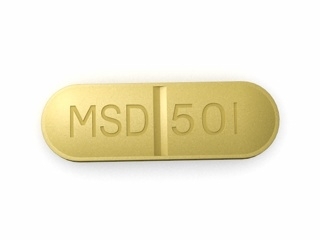
Benemid is available in a convenient oral tablet form. The standard dosage of
Benemid is 500mg. The typical starting dosage for adults is 500mg once daily for the first week. After the first week, the dosage is usually increased to 500mg twice daily. If necessary, and under the guidance of a healthcare professional, the dosage may be further adjusted.
The dosage can be increased up to a maximum of 2 grams per day (1 gram twice daily). However, it is imperative that any increase in dosage is done under strict medical supervision. Your doctor will determine the optimal dosage for you based on your individual uric acid levels, the severity of your condition, and your response to treatment.
It is crucial to take
Benemid exactly as prescribed by your doctor. Do not increase or decrease the dosage without consulting them. If you miss a dose, take it as soon as you remember, unless it is close to the time of your next scheduled dose. In that case, skip the missed dose and continue with your regular dosing schedule. Do not take a double dose to make up for a missed one.
Adequate fluid intake is a cornerstone of successful probenecid therapy. As mentioned earlier, drinking at least 8-10 glasses of water per day is generally recommended. This helps to keep urine dilute and aids in the excretion of uric acid, minimizing the risk of kidney stone formation.
Your doctor will likely monitor your uric acid levels periodically through blood tests to ensure the medication is effective and to make any necessary dosage adjustments. Consistent use and adherence to the prescribed regimen are key to achieving the best results. Understanding the nuances of
Benemid 500mg dosage is essential for effective treatment.
Price and Where to Buy: Accessing Your Treatment
The price of
Benemid can vary depending on several factors, including your geographic location, the pharmacy you use, and whether you have health insurance. As a prescription medication, it is typically dispensed by licensed pharmacies.
For those seeking to purchase
Benemid, the most common and safest route is through your local brick-and-mortar pharmacy. You will need a valid prescription from your healthcare provider. Comparing prices between different pharmacies can sometimes lead to cost savings.
Increasingly, patients are exploring options for purchasing medications online. When considering
how to buy Benemid online, it is paramount to prioritize safety and legitimacy. Only purchase from reputable online pharmacies that require a prescription and are licensed in your jurisdiction. Be wary of websites that sell prescription medications without a prescription or that offer suspiciously low prices, as these may be counterfeit or substandard products. Always verify the credentials of any online pharmacy before making a purchase.
If you have health insurance, your plan may cover a portion of the cost of
Benemid. It is advisable to check with your insurance provider about your prescription drug coverage and any co-pays or deductibles that may apply. Prescription assistance programs may also be available for those who are uninsured or underinsured. Your doctor or pharmacist can often provide information about these programs.
For many, the ability to access effective pain relief is a priority, and understanding the financial aspects of treatment is an important part of that equation. While cost is a consideration, the long-term benefits of managing gout and preventing painful attacks with
Benemid can lead to significant savings in terms of reduced healthcare costs associated with gout flares and associated complications. For those searching for
cheap Benemid, it's vital to balance cost with safety and efficacy.
Call to Action: Take the First Step Towards Relief
If you are struggling with gout or other conditions related to uric acid buildup, and the pain and discomfort are impacting your daily life, it's time to explore effective treatment options.
Benemid offers a powerful and targeted approach to managing uric acid levels, helping to prevent painful gout attacks and protect your joints from long-term damage.
Do not let the burden of pain dictate your life any longer. Take control of your health and well-being. Schedule an appointment with your healthcare provider today to discuss whether
Benemid is the right choice for you. They can assess your individual needs, answer any questions you may have, and provide you with a prescription if appropriate.
Your journey to a more comfortable and active life begins with a single step. Reach out to your doctor and start the conversation about managing your uric acid and reclaiming your freedom from pain.
Conclusion: Reclaim Your Life from Pain with Benemid
In conclusion,
Benemid, with its active ingredient probenecid, stands out as a valuable medication for individuals seeking to effectively manage conditions related to uric acid, most notably gout. By actively promoting the excretion of uric acid, it tackles the root cause of hyperuricemia, leading to a significant reduction in painful gout attacks and the prevention of joint damage. Its unique mechanism of action, coupled with a straightforward dosage regimen and a strong track record of user satisfaction, makes it a compelling choice for pain relief. While potential side effects exist, they are generally manageable and should be discussed with your healthcare provider. If you're tired of living with the debilitating effects of gout and are searching for a reliable solution, consult your doctor about
Benemid. It's time to experience a life with less pain and more freedom.
Frequently Asked Questions about
Benemid
What is the primary use of
Benemid?
The primary use of
Benemid is to treat hyperuricemia associated with gout. It works by increasing the excretion of uric acid from the body, thereby lowering blood uric acid levels and preventing the formation of urate crystals that cause gout attacks. It can also be used to prevent kidney stones in certain patients and to increase the blood levels of some antibiotics.
How long does it take for
Benemid to start working?
The effects of
Benemid on uric acid levels can be observed relatively quickly, often within a few days of starting treatment. However, it may take several weeks to months of consistent therapy to significantly reduce the frequency of gout attacks and to see the full therapeutic benefits. It is important to continue taking the medication as prescribed, even if you don't experience immediate relief.
Can I drink alcohol while taking
Benemid?
It is generally advisable to limit or avoid alcohol consumption while taking
Benemid, especially during a gout flare. Alcohol can increase uric acid levels in the body, which can counteract the effects of probenecid and potentially trigger a gout attack. Always discuss alcohol consumption with your doctor.
Is
Benemid suitable for long-term use?
Yes,
Benemid is often prescribed for long-term use to manage chronic gout and prevent recurrent attacks. The decision for long-term use is based on individual patient needs, uric acid levels, and the overall management of their condition. Your doctor will determine the appropriate duration of treatment for you.
What should I do if I experience a gout attack while taking
Benemid?
If you experience a gout attack while taking
Benemid, it is important to contact your healthcare provider immediately. While
Benemid is designed to prevent attacks, they can still occur, especially in the initial stages of treatment or if uric acid levels are not yet adequately controlled. Your doctor may prescribe other medications to manage the acute attack, such as NSAIDs or colchicine, and may adjust your
Benemid dosage.
Consider
Benemid for effective gout management. Talk to your doctor today.