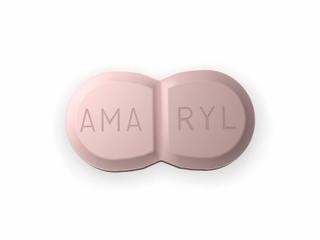
Amaryl
Amaryl is a medication for managing diabetes. It contains the active ingredient Glimepiride and is available in a 4mg dosage. Amaryl is part of our curated selection for diabetes care. Explore our minimalist online pharmacy for convenient access.
Select Dosage
| Package | Per Pill | Total Price | Order |
|---|---|---|---|
|
10 Pills
save: €2.40
|
$ 1.22 | $ 14.39 $ 11.99 | Add |
|
30 Pills
save: €7.00
|
$ 1.16 | $ 41.99 $ 34.99 | Add |
|
60 Pills
save: €12.80
|
$ 1.07 | $ 76.79 $ 63.99 | Add |
|
90 Pills
save: €17.80
|
$ 0.99 | $ 106.79 $ 88.99 | Add |
|
120 Pills
save: €22.60
|
$ 0.94 | $ 135.59 $ 112.99 | Add |
|
180 Pills
save: €30.60
|
$ 0.85 | $ 183.59 $ 152.99 | Add |
|
360 Pills
save: €56.20
|
$ 0.78 | $ 337.19 $ 280.99 | Add |
|
10 Pills
save: €3.60
|
$ 1.81 | $ 21.59 $ 17.99 | Add |
|
30 Pills
save: €10.00
|
$ 1.66 | $ 59.99 $ 49.99 | Add |
|
60 Pills
save: €18.40
|
$ 1.54 | $ 110.39 $ 91.99 | Add |
|
90 Pills
save: €26.20
|
$ 1.45 | $ 157.19 $ 130.99 | Add |
|
120 Pills
save: €32.20
|
$ 1.34 | $ 193.19 $ 160.99 | Add |
|
180 Pills
save: €44.00
|
$ 1.22 | $ 263.99 $ 219.99 | Add |
|
240 Pills
save: €55.20
|
$ 1.15 | $ 331.19 $ 275.99 | Add |
|
360 Pills
save: €80.00
|
$ 1.11 | $ 479.99 $ 399.99 | Add |
|
10 Pills
save: €4.80
|
$ 2.35 | $ 28.79 $ 23.99 | Add |
|
30 Pills
save: €12.40
|
$ 2.08 | $ 74.39 $ 61.99 | Add |
|
60 Pills
save: €22.80
|
$ 1.90 | $ 136.79 $ 113.99 | Add |
|
90 Pills
save: €32.00
|
$ 1.78 | $ 191.99 $ 159.99 | Add |
|
120 Pills
save: €40.80
|
$ 1.70 | $ 244.79 $ 203.99 | Add |
|
180 Pills
save: €59.40
|
$ 1.65 | $ 356.39 $ 296.99 | Add |
Medication Guide
Achieve Superior Blood Sugar Control: Discover the Power of Amaryl (Glimepiride) for Managing Type 2 Diabetes
Problem Description: Navigating the Challenges of Type 2 Diabetes Management
Type 2 diabetes mellitus affects millions globally, presenting a continuous challenge in maintaining optimal blood glucose levels. This chronic condition requires consistent, effective management to prevent debilitating long-term complications such as cardiovascular disease, neuropathy, nephropathy, and retinopathy. For many individuals diagnosed, initial lifestyle modifications and perhaps the use of foundational therapies are insufficient to achieve the target HbA1c levels recommended by healthcare providers. When first-line treatments like Glucophage or dietary adjustments cease to provide adequate control, physicians often look toward more potent secretagogues or combination therapies. Understanding where to buy Amaryl online often becomes a critical step for patients seeking robust glucose management solutions. The struggle to balance efficacy with minimizing side effects is a constant negotiation in diabetes care. If you are constantly asking yourself, what is the best medication for type 2 diabetes, it might be time to explore advanced options like Amaryl.
Many patients feel frustrated when their current regimen, perhaps involving older sulfonylureas like Glyburide or medications such as Glucotrol, fails to keep their sugar levels stable throughout the day. Poorly controlled blood sugar not only impacts daily energy and well-being but significantly increases the long-term risk profile. While newer injectable GLP-1 receptor agonists like Semaglutide (and its oral counterpart, Rybelsus — oral version of Ozempic) are gaining traction, many patients require or prefer an established, cost-effective oral agent that targets insulin release directly. The search for effective type 2 diabetes medication often leads healthcare providers to evaluate the established class of sulfonylureas, looking for the agent that offers the best balance of potency and dosing convenience.
How the Medication Helps: The Mechanism of Action of Amaryl
Amaryl, with the active ingredient Glimepiride, belongs to the sulfonylurea class of medications. Its primary function is to stimulate the pancreatic beta cells to release more insulin. This mechanism is crucial because in Type 2 diabetes, the body either doesn't produce enough insulin or doesn't use the insulin it produces effectively (insulin resistance). Glimepiride achieves its effect by binding to the sulfonylurea receptor on the beta cell membrane, which closes the ATP-sensitive potassium channels. This closure leads to depolarization of the cell membrane, opening voltage-dependent calcium channels, and ultimately triggering the influx of calcium required for insulin granule exocytosis and subsequent release into the bloodstream. This process directly addresses the deficiency in insulin secretion.
What sets Glimepiride apart from some older sulfonylureas is its purported higher affinity for the receptor and potentially a lower required dosage for equivalent glucose lowering effects, which some studies suggest might translate to a lower risk profile in certain patient populations compared to older agents. When considering alternatives like Micronase (Glyburide), Glimepiride is often prescribed because it has a slightly different pharmacokinetic profile that some clinicians find advantageous for once-daily dosing convenience. Exploring Amaryl 4mg effectiveness reveals its consistent role in lowering both fasting blood glucose (FBG) and postprandial glucose levels, making it a staple in many combination regimens, sometimes used alongside medications like Metformin (often available in combination forms like Glucovance).
Benefits: Why Choose Amaryl for Your Diabetes Regimen?
The primary benefit of Amaryl is its proven efficacy in achieving and maintaining target glycemic control. Clinical trials have consistently demonstrated that Glimepiride significantly reduces HbA1c levels, often bringing patients within the desired therapeutic range when used as monotherapy or in combination. Furthermore, Amaryl is typically administered only once daily, simplifying the treatment regimen for patients who find multiple daily doses burdensome. This once-daily dosing schedule enhances patient adherence, which is a cornerstone of successful chronic disease management. For those researching how long does Amaryl take to work, initial effects are usually noticeable within the first week, with full stabilization often achieved over several weeks of consistent use.
Another significant advantage often cited by prescribers is the cost-effectiveness of Amaryl, particularly the 4mg dosage, compared to some of the newer, injectable agents or very recent oral therapies. While newer agents may offer weight benefits or cardiovascular protection, Amaryl provides reliable, potent glucose lowering at a fraction of the cost for many patients. Even when compared to other sulfonylureas, Glimepiride's profile allows for titration that can sometimes minimize the risk associated with excessive insulin secretion, though careful monitoring remains paramount. Patients often search for Amaryl vs Metformin, recognizing that these two drugs frequently complement each other in achieving superior control when used concomitantly, targeting different aspects of glucose homeostasis.
In situations where patients are managing complex diabetes—perhaps having previously tried and discontinued agents like Actos or finding that combination therapies involving Metformin + Glyburide cause unacceptable gastrointestinal side effects—Amaryl offers a well-tolerated alternative with a focused mechanism of action. For individuals struggling with the cost of newer drugs, finding reliable information on Amaryl 4mg generic price is a major benefit, ensuring long-term sustainability of treatment.
Safety and Side Effects: Understanding the Profile of Amaryl
As with all potent glucose-lowering agents, understanding the safety profile of Amaryl is essential. The most common and significant side effect associated with all sulfonylureas, including Glimepiride, is hypoglycemia (low blood sugar). Because Amaryl stimulates insulin release regardless of current glucose levels, patients must be vigilant about monitoring their sugar, especially when initiating treatment, increasing the dose, or when dietary intake or exercise patterns change significantly. Symptoms of hypoglycemia can range from mild (shakiness, sweating, confusion) to severe (seizures, loss of consciousness), requiring immediate carbohydrate intake. Healthcare providers must educate patients thoroughly on recognizing and treating hypoglycemia when prescribing Amaryl.
Other potential side effects include gastrointestinal disturbances (nausea, vomiting), mild weight gain (due to increased insulin effect), and rarely, allergic skin reactions. It is important to discuss your full medical history with your doctor, particularly if you have severe kidney or liver impairment, as these conditions can affect how the drug is metabolized and cleared, potentially increasing the risk of adverse events. Patients often ask is Amaryl safe for long term use; generally, it is considered safe and effective for long-term management when blood sugar remains inadequately controlled by diet and exercise alone and when hypoglycemia risk is actively managed through careful dosing and patient education. For comparison, while newer incretin mimetics might have different side effect profiles (e.g., GI upset associated with Semaglutide), the primary shared risk among potent insulin secretagogues remains hypoglycemia.
Reviews/Social Proof: Patient Experiences with Amaryl
Patient feedback regarding Amaryl often highlights its effectiveness and convenience. Many long-term users report achieving excellent A1c results, often stating that they finally felt "in control" of their diabetes after switching to Glimepiride from less effective therapies. One common theme in patient testimonials focuses on the ease of the once-daily pill, especially when compared to regimens requiring multiple injections or doses throughout the day, which can be a major hurdle when considering alternatives to medications like Prandin. Users frequently praise its contribution to stabilizing blood sugar spikes after meals, leading to more predictable energy levels throughout the day.
However, honest reviews also reflect the vigilance required concerning diet. Several users emphasize that while Amaryl is powerful, it demands corresponding responsibility regarding meal timing and carbohydrate counting to avoid those inevitable lows. Searching for Amaryl patient reviews often reveals a consensus: it is a highly effective tool, provided the patient is actively engaged in their self-management. Furthermore, when considering switching from older, potentially less potent sulfonylureas, patients report significant improvements in their numbers. For instance, those previously on Glucotrol Xl might find the efficacy profile of Amaryl to be more consistent across the 24-hour period.
Dosage, Available Forms, and How to Use Amaryl
Amaryl is available primarily as an oral tablet, with the strength of the active ingredient, Glimepiride, commonly available in 1mg, 2mg, 4mg, and 8mg dosages, though the 4mg dosage is often a very common starting or maintenance dose for achieving significant control. The choice of dosage—whether you need Amaryl 4mg or a lower starting dose—is strictly determined by your healthcare provider based on your current blood glucose levels, HbA1c, concomitant medications, and overall health status.
The standard instruction for taking Amaryl is to take the tablet once daily, with the first main meal of the day. This timing is critical because taking the medication with food aligns the peak insulin release with the influx of glucose from that meal, optimizing its effectiveness. It is crucial never to skip a meal after taking Amaryl, as this significantly increases the risk of hypoglycemia. If a dose is missed, the standard instruction is to take it as soon as you remember, unless it is nearly time for the next scheduled dose, in which case the missed dose should be skipped entirely; doubling up is strictly forbidden. Patients must adhere precisely to their prescribed regimen. If your doctor suggests a switch from a drug like Acarbose, they will carefully calculate the appropriate initial dose of Amaryl to minimize abrupt changes in blood sugar control.
For patients who require potent, consistent control, the Amaryl 4mg tablet provides a substantial therapeutic dose in a single, small pill. In combination therapy, the physician will titrate the dose of Amaryl carefully alongside any other agents, such as those used in formulations similar to Glucophage SR, to ensure synergistic effect without inducing dangerous hypoglycemia. Always swallow the tablet whole; do not crush or chew it, as this can affect the release profile.
FAQ Section: Addressing Common Queries About Amaryl
1. Can Amaryl be taken with other diabetes medications?
Yes, Amaryl is very frequently used as an adjunct therapy. It is often prescribed alongside biguanides like Metformin (or its extended-release forms such as Glucophage Xr) to provide dual mechanisms of action: Metformin reduces hepatic glucose production, while Amaryl enhances insulin secretion. It can also be used with insulin or other oral agents, but this combination requires very close monitoring by your physician due to the heightened risk of hypoglycemia.
2. What should I do if I experience symptoms of low blood sugar while taking Amaryl?
If you experience symptoms of hypoglycemia (dizziness, confusion, rapid heartbeat, sweating), you must immediately consume 15 grams of fast-acting carbohydrate, such as 4 ounces of fruit juice, regular soda, or glucose tablets. Wait 15 minutes and recheck your blood sugar. If it remains low, repeat the carbohydrate intake. Once stable, consume a small meal or snack containing protein and complex carbohydrates to prevent another drop. Always carry a source of fast sugar if you are taking Amaryl.
3. How does Amaryl compare in efficacy to newer injectable treatments?
Amaryl (Glimepiride) is a highly effective oral agent focused on stimulating endogenous insulin release. Newer injectable treatments, such as GLP-1 receptor agonists (like Semaglutide), work through different pathways, often resulting in weight loss and potential cardiovascular benefits not directly provided by Glimepiride. However, for patients who cannot tolerate injectables, are cost-conscious, or do not need the added benefits of weight loss or cardioprotection, Amaryl often provides equivalent or superior HbA1c reduction compared to some older oral agents, and it remains a cost-effective powerhouse for insulin secretion stimulation.
4. Is there a difference between Amaryl and Glipizide (like Glucotrol)?
Both Amaryl (Glimepiride) and Glipizide are sulfonylureas, but Glimepiride is often considered a third-generation sulfonylurea. Clinically, Glimepiride is sometimes associated with a lower risk of hypoglycemia at maximally effective doses compared to Glipizide or Glyburide in some patient subgroups, and it generally has a smoother, longer duration of action suitable for once-daily dosing. Both drugs stimulate insulin release, but their receptor binding characteristics and half-lives differ, leading to distinct clinical profiles.
Price and Where to Buy: Ensuring Access to Amaryl
Cost is a significant factor in adherence to long-term diabetes treatment. For many, inquiring about where to buy Amaryl online is motivated by the desire to secure a reliable supply at the most competitive price point. Because Amaryl has been available for some time, generic versions (Glimepiride) are widely available, which substantially lowers the cost compared to patented medications. When searching for Amaryl 4mg price, always compare prices across reputable, licensed online pharmacies and consider the cost of the generic equivalent, which offers the exact same active ingredient and therapeutic effect. Securing a prescription from your endocrinologist or primary care physician is the mandatory first step. Be wary of any source that offers prescription medication without one, as this compromises both your safety and the efficacy of your treatment.
Ensuring consistent access to your medication is paramount for stable diabetes management. Understanding your insurance coverage or exploring discount programs for Glimepiride can make the difference between consistent control and risky lapses in treatment. For those looking to manage the expense, searching for Amaryl discount card programs or investigating the costs associated with Metoclopramide (though used for different indications, it highlights the range of available drug pricing structures) can provide budgetary relief while maintaining high-quality care.
Conclusion and Final Call to Action
Amaryl, powered by Glimepiride, remains a cornerstone therapy for millions struggling to achieve optimal glycemic control in Type 2 diabetes. Its key advantages—potent once-daily efficacy, established safety profile when monitored correctly, and often superior cost-effectiveness—make it an attractive option when lifestyle changes alone are insufficient. By stimulating the pancreas to release necessary insulin, Amaryl actively works to bring your HbA1c down, reducing the long-term risks associated with uncontrolled diabetes. While vigilance regarding hypoglycemia is essential, the benefits of stable, predictable blood sugar control often far outweigh this manageable risk. If you are seeking robust, evidence-based management for your Type 2 diabetes, discuss the specific suitability of the Amaryl 4mg dosage with your healthcare provider today.
Do not let fluctuating blood sugar compromise your future health. Speak to your doctor this week about integrating the proven power of Amaryl into your diabetes management strategy and take control of your well-being starting now.


