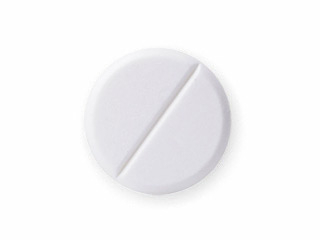
Aczone
Aczone offers a focused approach to your skin care needs. This product features 100mg of the active ingredient, diaminodiphenyl sulfone. Designed for simplicity, Aczone fits seamlessly into your daily routine. Experience straightforward, quality skin care solutions.
Select Dosage
| Package | Per Pill | Total Price | Order |
|---|---|---|---|
|
1000 Pills
save: €12.80
|
$ 0.06 | $ 76.80 $ 64.00 | Add |
Medication Guide
Discover Clearer Skin: Everything You Need to Know About Aczone for Acne Treatment
Acne vulgaris remains one of the most prevalent and persistent dermatological conditions affecting individuals across all age groups. It is a condition that often extends beyond mere physical blemishes, impacting self-esteem, social interactions, and overall quality of life. For decades, sufferers have searched tirelessly for effective, reliable, and manageable treatments. While numerous options exist, understanding the mechanism, efficacy, and safety profile of a leading therapeutic agent is crucial for making informed decisions about skin health. This comprehensive article focuses exclusively on Aczone, an important medication in the contemporary dermatology armamentarium, detailing why it might be the solution you have been seeking. If you are searching for best topical treatment for acne, pay close attention to the advanced properties of this compound.
Problem Description: The Burden of Persistent Acne
Acne manifests when hair follicles become clogged with oil (sebum) and dead skin cells. This blockage creates an environment where Propionibacterium acnes bacteria can proliferate, leading to inflammation, redness, and the formation of various lesions, from blackheads and whiteheads to deep, painful cysts. The emotional toll associated with moderate to severe acne cannot be overstated. Patients often report feelings of anxiety, depression, and avoidance behaviors, particularly when dealing with stubborn cases that resist over-the-counter remedies. Many individuals try sequential treatments, often experiencing temporary relief followed by relapse, leading to frustration. When initial treatments fail, patients often look for stronger prescription options, sometimes inquiring about what is stronger than benzoyl peroxide, which often leads them toward prescription topicals like Aczone.
Traditional treatments often target bacterial overgrowth or exfoliation, but sometimes a more nuanced approach targeting underlying inflammation and specific cellular pathways is required. Many patients have already cycled through common topical antibiotics or milder retinoids. They might have experimented with steroid-based creams like Betamethasone and Fusidic Acid for associated inflammation, or perhaps stronger topical steroids like Brand Temovate, only to find these do not address the root cause of the acne itself effectively or carry significant long-term side effect risks. Therefore, the search for a dedicated, highly effective anti-inflammatory and anti-acne agent becomes paramount.
How the Medication Helps: The Science Behind Aczone
Aczone, whose active ingredient is Diaminodiphenyl sulfone, operates through a distinct mechanism of action compared to many conventional acne therapies. While the exact pathophysiology related to its efficacy in acne is multi-faceted, its primary benefit stems from potent anti-inflammatory properties. Diaminodiphenyl sulfone is recognized for its ability to inhibit neutrophil chemotaxis—the process by which immune cells are drawn to an area of infection or inflammation. By calming this inflammatory cascade, Aczone significantly reduces the redness, swelling, and pain associated with inflammatory acne lesions, such as papules and pustules. This targeted anti-inflammatory effect is one of the key reasons dermatologists frequently recommend it, especially when considering aczone vs benzoyl peroxide, as it addresses inflammation directly without the harsh drying or bleaching associated with the latter.
Furthermore, while its primary role is anti-inflammatory, some research suggests that Diaminodiphenyl sulfone may also possess bacteriostatic effects against Propionibacterium acnes, although this is secondary to its impressive ability to modulate the inflammatory response. This dual action—reducing the visible signs of inflammation while potentially inhibiting bacterial proliferation—makes Aczone a powerful tool. Patients often compare its efficacy favorably against other anti-inflammatory treatments; for instance, while Tacrolimus is used for immune modulation in conditions like eczema, Aczone provides a targeted immunosuppressive effect beneficial specifically for acne inflammation. Understanding how long to use aczone for best results is key to maximizing this pharmacological potential.
Benefits: Why Choose Aczone?
The advantages of incorporating Aczone into a patient's skincare regimen are substantial and address many common complaints associated with other acne treatments. Foremost among these is its excellent tolerability profile. Unlike many oral medications, such as systemic agents like Isotretinoin or Isotroin, which carry significant systemic side effects, topical Aczone delivers relief precisely where it is needed, minimizing systemic exposure. This makes it an excellent choice for patients who cannot tolerate the side effects of oral therapies or who have milder to moderate inflammatory acne that does not require such aggressive systemic intervention.
Another significant benefit is its compatibility with other medications. Aczone is generally well-tolerated when used alongside topical retinoids, such as those derived from Vitamin A like Tretiva or A-Ret, and even often alongside gentle cleansers. This versatility allows dermatologists to construct highly customized combination therapies tailored to the severity and presentation of the patient’s acne. Many patients are concerned about the potential for irritation when combining treatments, which is why seeking advice on can I use aczone with tretinoin is a common initial query. The reduced risk of severe dryness, peeling, and erythema associated with Aczone compared to higher-strength peeling agents is a major selling point for individuals seeking long-term maintenance.
Finally, when patients are managing sensitive skin types or conditions where the skin barrier is compromised, Aczone offers a gentler path to clearer skin. It avoids the harsh drying effects of some traditional topical antibiotics or the pronounced irritation associated with certain strong topical antifungals sometimes used off-label, such as Fulvicin, when dealing with secondary skin issues. The consistent, reliable reduction in persistent inflammatory lesions provided by Aczone contributes significantly to improved skin texture and confidence.
Safety and Side Effects: Managing Expectations with Aczone
Safety is a paramount concern for any prescription medication. Aczone (Diaminodiphenyl sulfone) is generally considered safe when used as directed under the supervision of a healthcare professional. As a topical formulation, systemic absorption is minimal. However, like all medications, it can cause side effects. The most commonly reported side effects are mild to moderate skin irritation, dryness, redness, or itching at the application site. These usually subside as the skin adjusts to the medication over the first few weeks of treatment. Patients should always adhere strictly to the prescribed application schedule.
It is important for potential users to be aware of contraindications. Individuals with known hypersensitivity or allergy to dapsone or any component of the Aczone formulation should not use the product. While rare with topical application, systemic dapsone use is associated with methemoglobinemia; however, this risk is extremely low with topical gel or cream formulations. Patients with pre-existing conditions that affect blood count should discuss this thoroughly with their prescribing physician. When considering treatment pathways, patients often compare the safety profiles: for example, they might research aczone vs clobetasol 0.05%, recognizing that the latter, a potent steroid, carries different long-term usage risks than the anti-inflammatory mechanism of Aczone.
If severe rash, widespread irritation, or signs of allergic reaction occur, use of Aczone should be discontinued immediately, and medical attention sought. Furthermore, pregnant or breastfeeding women must consult their physician before starting treatment, as the safety data in these populations may be limited. Discussing all current medications, including over-the-counter products or alternative treatments like Imiquimod cream, is essential to prevent potential drug interactions or additive irritation.
Reviews/Social Proof: Real Experiences with Aczone
The true measure of a treatment’s success often lies in the experiences of those who have used it. Patient testimonials frequently highlight the dramatic improvement in inflammatory acne, especially when traditional topicals failed to achieve adequate control. Many users express relief after switching from treatments that caused significant peeling or burning. A common theme in discussions about Aczone is its effectiveness in calming down persistent, angry red blemishes that other products merely irritated further. This aligns with clinical findings supporting its powerful anti-inflammatory capabilities.
Dermatologists often observe that patients who previously struggled with maintenance therapy find Aczone easier to incorporate long-term. For example, many users who found treatments like Azelex (azelaic acid) somewhat irritating, report better compliance with Aczone. Search queries such as azelaic acid vs aczone for acne frequently arise, often concluding that Aczone is superior for purely inflammatory components. Social proof extends to professional validation as well; many dermatologists rely on Aczone as a first-line or adjunctive therapy for inflammatory acne patients. You can often find patient discussions centered around topics like what is the generic name for aczone, reflecting user engagement and interest in accessing this established treatment.
Dosage, Available Forms, and How to Use Aczone
Aczone is typically available in topical gel or cream formulations. The standard prescribed concentration often revolves around the 100mg dosage, although prescribing strengths can vary based on the specific formulation and the dermatologist’s judgment regarding the severity of the condition. The 100mg dosage refers to the strength of the active ingredient, Diaminodiphenyl sulfone, delivered per unit of product, usually based on a percentage concentration within the vehicle (e.g., 5% gel). Always confirm the exact dosage instructions provided by your prescribing physician.
Application is generally straightforward: cleanse the affected area gently with a mild, non-medicated cleanser and pat dry thoroughly. Then, apply a thin layer of Aczone to the entire affected area once or twice daily, as directed. It is crucial to apply it only to the skin where acne is present, avoiding mucous membranes (eyes, nose, mouth). If using other topical medications, consult your dermatologist regarding the correct order and timing of application. For instance, when applying a topical retinoid like Retin-A Gel alongside Aczone, timing the applications several hours apart or applying one in the morning and the other at night is a common strategy. Consistency is key; skipping doses can lead to a flare-up. Many users also search for can aczone cause purging, which is a valid concern, though typically less severe than with pure retinoids.
If you are using Aczone in combination with other treatments, such as oral medications or other topical preparations like Elocon (used typically for specific inflammatory skin conditions), strict adherence to timing protocols ensures maximum efficacy and minimal interaction.
FAQ Section: Addressing Common Concerns
Q1: Is Aczone effective for cystic acne?
A1: Aczone is primarily indicated and most effective for mild to moderate inflammatory acne (papules and pustules) due to its strong anti-inflammatory action. For severe, deep cystic acne, dermatologists often combine Aczone with oral medications or consider more aggressive in-office treatments. If your condition involves nodules or cysts, you should ask your doctor about Aczone combination therapy for optimal results.
Q2: How long does it take to see results from Aczone?
A2: Improvement is often noticeable within 4 to 8 weeks of consistent use. Full therapeutic benefit might take up to 12 weeks to fully manifest. Patience is essential when treating chronic conditions like acne. Remember that treatments like Oxsoralen, used for different dermatological issues, often have even longer treatment courses, highlighting the need for commitment.
Q3: Can Aczone be used safely with sun exposure?
A3: While Aczone does not typically cause the severe photosensitivity associated with oral retinoids (like Isotretinoin), all acne patients should practice diligent sun protection. Use a broad-spectrum sunscreen daily, as inflammation and healing skin are more vulnerable to UV damage. Always check with your doctor regarding specific sun safety protocols, especially if you are undergoing combination therapy.
Q4: Is Aczone available over-the-counter (OTC)?
A4: No, Aczone (Diaminodiphenyl sulfone) is a prescription-only medication. You must consult a licensed healthcare provider who can properly diagnose your acne type and determine if this medication is appropriate for your skin profile. This is why searching for where to get aczone prescription leads to medical consultation.
Price and Where to Buy Aczone
As a prescription medication, the cost of Aczone can vary significantly based on several factors: the specific formulation (gel vs. cream), the strength (100mg being common), your insurance coverage, and the pharmacy you choose. Generic versions, if available, often offer cost savings compared to the brand name. Patients frequently inquire about Aczone cost without insurance, which can be high, prompting the use of prescription discount cards or seeking patient assistance programs offered by manufacturers.
To legally and safely obtain Aczone, you must first secure a valid prescription from a licensed dermatologist or physician. Once you have the prescription, you can fill it at any licensed pharmacy. We strongly advise against purchasing prescription medications from unregulated online sources, which may sell counterfeit or improperly stored drugs. For those seeking information on cost-effective ways to manage their skin health, comparing prices for Aczone across local pharmacies is a prudent first step after consulting your doctor. For example, comparing the price structure against something like Podowart (a treatment for warts) highlights how medication cost structures differ based on therapeutic class and patent status.
It is crucial to prioritize quality and legitimacy. Your physician will guide you on obtaining the medication safely. Remember, investing in proven prescription treatment like Aczone is investing in long-term skin health and confidence, often proving more cost-effective in the long run than continually purchasing ineffective OTC products.
Call to Action
Stop letting persistent, inflammatory acne dictate your confidence and limit your quality of life. Aczone offers a scientifically grounded, highly effective approach to calming inflammation and achieving the clear skin you deserve. If you are struggling with acne that resists standard treatment, or if you are looking for a powerful anti-inflammatory topical that integrates well into complex routines, it is time to speak with your healthcare provider about prescription options.
Take the proactive step today. Schedule an appointment with your dermatologist to discuss whether the potent anti-inflammatory action of Aczone (Diaminodiphenyl sulfone 100mg) is the right next step for your skin. Do not delay your journey to clearer skin any longer.
Conclusion
Aczone stands out as a reliable and well-tolerated prescription medication for managing inflammatory acne, leveraging the potent anti-inflammatory capabilities of Diaminodiphenyl sulfone. Its ability to reduce redness and swelling with minimal systemic side effects makes it an invaluable asset in dermatological care, often serving as a superior alternative or adjunct to other treatments. If you are searching for acne treatment that works fast, Aczone warrants a serious discussion with your physician. Consult your healthcare provider immediately to determine if Aczone is the key to unlocking your clearest skin yet.


